
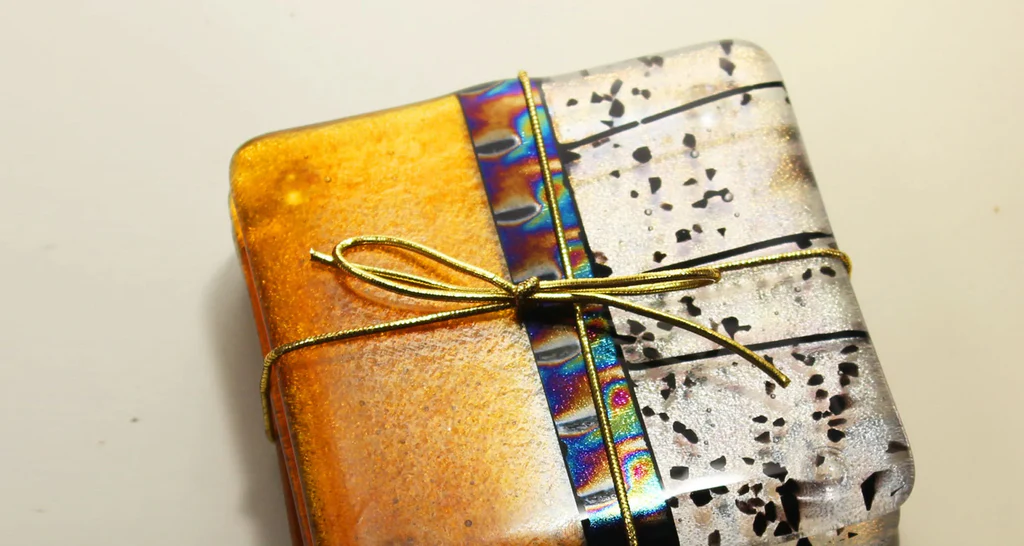
Working with fused glass requires careful control of heat to shape surfaces correctly. Controlled heating inside a kiln shapes molten sheets into smooth or raised surfaces, giving artists strong control over results when working with quality materials like Hollander glass art suppliestoday. Small temperature changes influence surface shine depth form. Artists rely on planned firing schedules to guide melting behavior. Proper heat management helps create clean surfaces, clear bonding, and balanced forms. Understanding these effects helps makers design pieces with predictable results while maintaining strong structure throughout the shaping process.
Glass Softening Stages
Glass softens gradually during heating stages, allowing layers to bond while edges shift slightly, helping creators guide surface detail through careful schedule planning for consistent artistic results every single firing.
Lower Heat Surface Detail
Lower firing levels keep shapes defined while upper layers stay visible, producing raised patterns that many studio makers choose for decorative panels, jewelry pieces, and small art displays with striking dimension.
Moderate Heat Smoothing
Moderate heat melts stacked sheets further softening corners while surfaces begin leveling, creating smoother forms suitable for pendants, tiles, and decorative panels requiring balanced structure with gentle curves, pleasing visual appeal.
Cooling Control
Controlled cooling protects the structure after the shaping stage, preventing stress marks or cracks, while internal tension settles slowly through planned temperature drops guided by tested firing charts used by many studios.
Hold Time Influence
Hold time inside the heated chamber changes surface clarity because glass continues flowing slowly, letting artists adjust shine level, depth, and pattern softness without altering material combinations during scheduled soaking periods today.
Testing Small Samples
Testing small samples before large projects helps makers learn how schedules influence thickness movement, building confidence while reducing waste during creative studio production cycles for reliable repeatable visual outcomes.
Basic Firing Guidance
Beginners can follow simple firing guidance to manage surface results while learning how gradual heating shapes layered sheets safely today.
- Careful ramp speed keeps layers stable, reducing sudden stress that may create bubbles or uneven bonding during studio practice sessions.
- Record each schedule in a notebook to compare results, helping makers repeat successful surfaces later with confidence during future firings.
- Keep sheet thickness similar within projects so heat spreads evenly across stacked layers during shaping stages for stable bonding results.
Careful heat planning allows artists to shape surfaces with precision while protecting the structure during shaping stages. Balanced firing schedules support clear bonding, stable forms, and strong visual depth. Selecting reliable materials also reduces surface defects during production. When creators combine planned heating stages, thoughtful cooling steps, and high-quality sheets like Hollander glass art supplies, they achieve dependable surfaces, refined shine, stable layered structure suitable for professional glass artwork production.