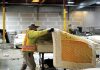
A single mattress can linger in a landfill for a century, taking up valuable space and releasing harmful chemicals as it breaks down. In Canada, the surge in discarded mattresses is colliding with overburdened waste sites and growing environmental concerns, sparking a revolution in the way mattresses are handled after their useful life ends.
The Growing Challenge of Mattress Waste in Canada
Every year, hundreds of thousands of mattresses reach the end of their lifespan in Canada. Their bulky nature and complex combination of materials make them especially problematic to handle. Unlike paper or glass, mattresses are not easily compressed or incinerated, and their springs and foams often contaminate landfill operations. The environmental impact escalates when you consider that each mattress can contain complex foams, synthetic fibers, and metals that leach chemicals over decades.
Traditional disposal methods, mostly landfill or incineration, fail to meet the needs of municipalities facing space constraints and stricter environmental regulations. Mattresses clog machinery, are costly to process, and offer little in terms of resource recovery. Compounding the problem is Canada’s lack of a national mattress recycling policy. Despite the mounting waste, there are no federal mandates requiring ecological management of used mattresses, leaving cities and provinces to tackle the issue piecemeal.
Innovative Technologies Revolutionizing Mattress Recycling
Enter a new era: advanced recycling technologies have begun to shift the paradigm of mattress disposal. Instead of dumping or burning, specialized facilities now dismantle mattresses to recover valuable materials like steel, foam, and textiles. This process not only keeps waste out of landfills but also feeds usable resources back into the manufacturing cycle.
One standout example is Recyc-Matelas, founded in 2007 by Eric Castro. The company developed a unique technology capable of processing high volumes of used mattresses efficiently. Their system is designed to separate and valorize each component, ensuring almost zero waste. Unlike smaller operations, Recyc-Matelas can handle the demands of major urban centers, diverting significant quantities from landfills each year.
In practical terms, between Quebec and Ontario alone, more than 400,000 mattresses are recycled annually. The company’s process allows them to meet the growing needs of urban populations without compromising on environmental objectives.
Environmental and Social Benefits of Advanced Recycling
The environmental benefits are striking. Recyc-Matelas boasts a true zero-waste operation: none of the mattresses they process end up in landfill. The company’s advanced dismantling method not only reduces landfill pressure but also lowers the carbon footprint of mattress disposal. By recovering steel, textile, and foam, these materials can be reintroduced into new products, closing the loop on mattress consumption.
Yet the benefits extend beyond the environment. Recyc-Matelas has woven social responsibility into its business model by creating stable, full-time jobs. The company actively employs individuals with intellectual disabilities, helping them reintegrate into society and enhancing their quality of life. In this way, innovative recycling is not only a win for the planet but also for communities.
Expanding the Reach: From Local Initiatives to International Presence
The success story of mattress recycling began in Quebec and Ontario, but it did not stop there. Recyc-Matelas has expanded its footprint internationally, with six facilities now operating in Canada, France, and Belgium. In France alone, a million mattresses are recycled annually, illustrating how scalable and impactful these technologies can be.
Collaboration with municipalities and governments is critical. As urban centers grapple with landfill shortages and growing waste streams, partnerships with firms like Recyc-Matelas offer a proven template. Their ability to handle high volumes while aligning with sustainability goals is prompting more cities to seek similar solutions.
Overcoming Barriers to Wider Adoption
Despite clear environmental and social advantages, barriers remain. The lack of a unified national policy means that mattress recycling rates vary widely across provinces. Public awareness is also inconsistent; many Canadians are unaware that recycling options exist. On the technical side, transporting and processing bulky mattresses can be logistically challenging for rural or remote communities.
To encourage broader participation, strategies include public education campaigns, municipal collection events, and financial incentives for recycling. Strengthening regulations at the provincial or federal level would also help standardize practices and boost recycling rates.
Practical Steps for Consumers and Communities
For consumers wondering how to recycle their mattress in Canada, the first step is to connect with local recycling programs or specialized services. Many municipalities now offer dedicated drop-off locations, while some retailers partner with recyclers to collect old mattresses at delivery. Resources like recyclage matelas Canada can help individuals and organizations find the nearest participating facility and understand the process.
Communities can amplify results by advocating for more robust recycling legislation and supporting businesses that use recycled materials. By making sustainable choices, both individuals and local governments accelerate the shift toward a circular economy.
The Future of Mattress Recycling in Canada
The momentum for innovative mattress recycling shows no sign of slowing down. Emerging technologies promise to make dismantling even more efficient, while new business models are expanding access to rural and underserved regions. As demand for sustainable waste management rises, mattress recycling will play a pivotal role in shaping Canada’s environmental future.
Transforming mattress waste from an intractable problem into a valuable resource is now within reach. With continued innovation and collaboration, Canada is poised to lead the way toward a greener, more inclusive approach to waste management.