

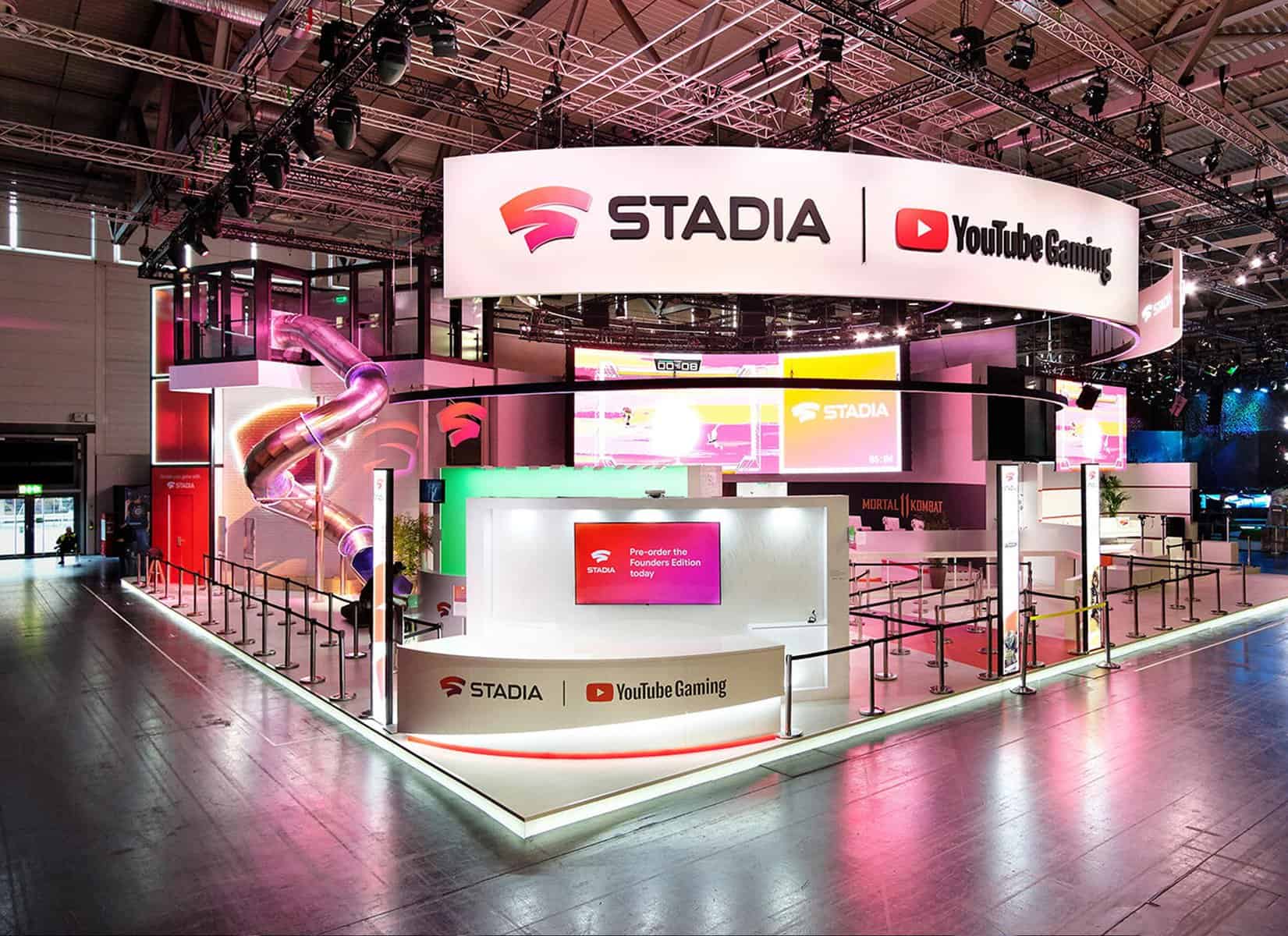
A great trade show booth can attract attention, start conversations, and generate valuable leads. But a poorly designed booth? That can do just the opposite—turning people away before they even know who you are.
Whether you’re a first-time exhibitor or a seasoned pro, it’s surprisingly easy to fall into common design traps that hurt your impact on the show floor. The good news? Most of these mistakes are completely avoidable with a little foresight and strategy.
Here are some of the most common trade show booth design mistakes—and how to avoid them.
1. Overloading the Booth with Text
The Mistake:
Trying to say everything at once—product details, mission statement, awards, testimonials, and more—plastered across every surface of your booth.
Why It Hurts:
Attendees walk fast. You have just 3–5 seconds to catch their eye and communicate what your brand does. Walls full of small, dense text won’t be read—and worse, they make your booth feel cluttered and confusing.
How to Avoid It:
Stick to one clear, bold message. Prioritize large headlines, short value-driven phrases, and clean visuals. Save the details for your staff or brochures.
2. Poor Lighting
The Mistake:
Relying solely on overhead venue lighting—or forgetting lighting altogether.
Why It Hurts:
Dim or flat lighting makes your booth blend into the background. It can also make products look dull and reduce visual appeal, especially in larger convention halls.
How to Avoid It:
Add your own lighting to highlight key areas: backlit graphics, accent lights for displays, and well-lit signage. Good lighting adds energy, professionalism, and visual contrast that draws people in.
3. Blocking the Entrance
The Mistake:
Placing tables, counters, or furniture directly in front of your booth entrance.
Why It Hurts:
A blocked entrance makes your booth feel uninviting. Visitors may feel hesitant to step in, especially if they have to squeeze past furniture or staff to enter.
How to Avoid It:
Keep your booth open and welcoming. Position tables or counters to the side or back, creating an easy entry point and a natural flow through the space.
4. Using Low-Quality Graphics
The Mistake:
Printing blurry, pixelated images or using inconsistent branding across banners and backdrops.
Why It Hurts:
First impressions matter. Cheap-looking graphics send the message that your business cuts corners—or doesn’t care about details.
How to Avoid It:
Invest in high-resolution, professionally designed graphics. Make sure branding is consistent across all materials, from signage to handouts. Use colors, fonts, and logos that reflect your brand identity clearly and confidently.
5. No Clear Call to Action (CTA)
The Mistake:
Leaving visitors wondering, “What do I do next?”
Why It Hurts:
Even if someone stops at your booth, they may leave without taking action if there’s no clear CTA—like a giveaway, product demo, signup, or scan.
How to Avoid It:
Include a strong, visible CTA on your signage and in your conversations. Whether it’s “Book a demo,” “Scan to win,” or “Try the product now,” give people a reason to engage and a next step to take.
6. Ignoring Visitor Comfort
The Mistake:
Making visitors stand in awkward spots, lean over counters, or try to engage in a cramped space.
Why It Hurts:
Discomfort leads to short conversations—or no conversations at all. If attendees can’t comfortably interact with your booth or team, they’ll likely walk away.
How to Avoid It:
Create open spaces, provide places to sit or rest, and make sure product demos are easy to access and view. A little comfort goes a long way in keeping people engaged.
7. Staffing the Booth Poorly
The Mistake:
Having unprepared, disengaged, or too few staff in the booth.
Why It Hurts:
No matter how beautiful your booth is, it’s your people who create the real experience. If no one greets attendees or answers questions, your investment is wasted.
How to Avoid It:
Train your staff beforehand. Make sure they understand your key messaging, know how to qualify leads, and can comfortably initiate conversations. Also, avoid crowding the booth—2–3 people is usually ideal for a small to mid-size space.
8. Not Planning for Storage
The Mistake:
Leaving bags, boxes, brochures, or personal items in plain sight.
Why It Hurts:
Clutter makes your booth look unprofessional and disorganized. It also takes attention away from your message and design.
How to Avoid It:
Incorporate hidden storage into counters, podiums, or behind displays. Keep visible areas clean and clear to maintain a polished, professional look.
9. Forgetting to Design for Traffic Flow
The Mistake:
Creating a layout that’s confusing, congested, or dead-ended.
Why It Hurts:
Poor traffic flow frustrates attendees and prevents meaningful engagement. Visitors shouldn’t feel like they’re trapped or have to backtrack to exit.
How to Avoid It:
Design your layout to guide visitors naturally. Open entry points, defined zones, and clear exit paths help people move through comfortably and stay longer.
Final Thoughts
Even small trade show booth mistakes can have a big impact on your success at an event. But with thoughtful design, clear messaging, and attention to the attendee experience, you can create a space that not only attracts attention—but also builds relationships and drives results.
Avoiding these common pitfalls doesn’t require a huge budget—just a strategic mindset and a focus on clarity, professionalism, and purpose.
Because at the end of the day, it’s not just about looking good. It’s about connecting with the right people—and giving them a reason to remember your brand. We recommend Trade Show Booth Design.