
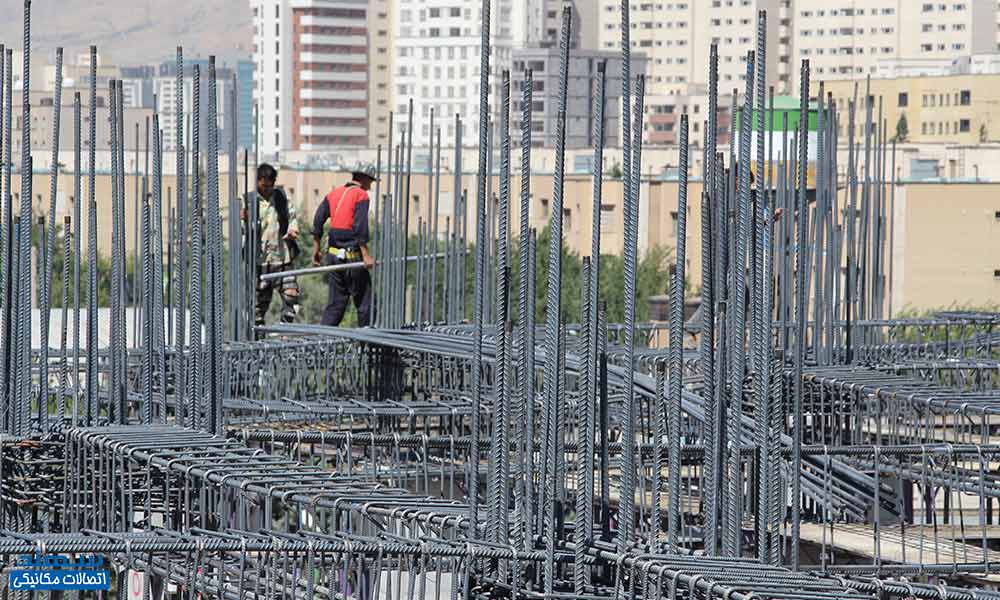
Modern rebar splicing employs diverse connection technologies and specialized materials that address varying structural requirements, installation constraints, and performance specifications across construction applications. These advanced splicing systems utilize precision-engineered components, high-strength materials, and proven connection methodologies, ensuring reliable load transfer while accommodating complex geometric configurations and demanding environmental conditions. Contemporary splicing technology has evolved beyond traditional overlap methods, including sophisticated mechanical systems, advanced welding techniques, and hybrid connection approaches that optimize structural performance and construction efficiency. Bartec designs reinforcement systems that support long-term structural integrity in demanding construction environments.
-
Threaded mechanical coupling systems
- Threaded coupler technology creates positive mechanical connections through precision-machined sleeves that engage reinforcement bars via threaded interfaces. These systems require thread cutting or rolling operations on bar ends to create compatible threading that matches coupler specifications for proper engagement and load transfer capacity.
- Installation procedures involve threading preparation using portable equipment that creates accurate thread profiles meeting dimensional tolerances required for proper coupler engagement. Thread quality control ensures adequate engagement length while preventing over-threading that could reduce bar cross-sectional area and compromise tensile capacity.
- Material specifications for threaded couplers typically involve high-strength steel alloys with enhanced corrosion resistance properties that exceed standard reinforcement bar specifications. Under various exposure conditions, these materials undergo rigorous testing to verify tensile capacity, fatigue resistance, and environmental durability.
-
Grout-filled splice sleeves
- Grout sleeve systems utilize precision-manufactured steel tubes filled with high-strength cementitious grout that bonds to inserted reinforcement bars through mechanical interlock and chemical adhesion. These systems accommodate bars with different diameters while transferring full tensile capacity through the grout medium.
- Installation involves positioning bars within sleeves and injecting specialized grout formulations that achieve the required strength characteristics within specified curing periods. Grout injection procedures ensure complete sleeve filling while eliminating voids that could compromise connection integrity and load transfer effectiveness.
- Quality control testing verifies grout strength development and ensures an adequate bond between reinforcement bars and grout material. Testing protocols include compression testing of grout samples and tension testing of completed splices to confirm design capacity achievement.
-
Swaged connection technology
- Cold swaging processes create permanent mechanical bonds through sleeve deformation around inserted reinforcement bars
- Hydraulic swaging equipment applies controlled pressure to compress sleeves onto bars with precise force application
- Material compatibility ensures sleeve and bar materials work together to prevent galvanic corrosion in aggressive environments
- Dimensional accuracy requirements specify exact tolerances for bar insertion depth and sleeve compression ratios
- Quality verification includes visual inspection and occasional tension testing to confirm connection adequacy
-
Welded splice configurations
- Gas metal arc welding provides reliable connections for larger diameter bars where mechanical systems become impractical due to size constraints or economic considerations. Welding procedures require prequalification testing to establish proper parameters for different bar grades and environmental conditions.
- Electrode selection influences weld metal properties and compatibility with base reinforcement materials. Low-hydrogen electrodes prevent hydrogen embrittlement while providing adequate strength characteristics that match or exceed parent bar properties under various loading conditions.
- Heat-affected zone control minimizes metallurgical changes in reinforcement bars adjacent to weld areas. Proper welding techniques and cooling procedures maintain bar properties while creating strong, ductile connections capable of developing full bar capacity.
Modern splicing technology advances through material science improvements and connection system innovations that enhance reliability while reducing installation complexity and project costs across diverse construction applications.