

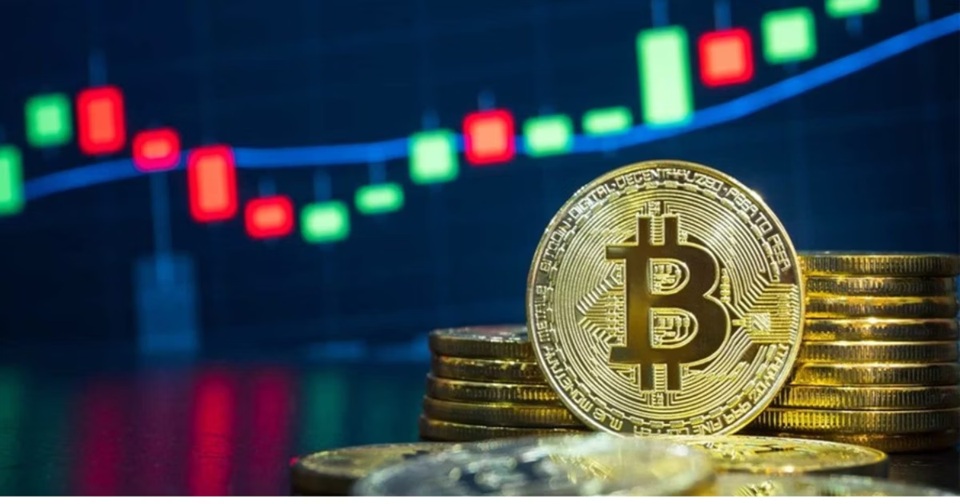
Bitcoin remains the most prominent cryptocurrency in the world, serving as a benchmark for digital assets and attracting the attention of investors globally. For anyone participating in the market, knowing the bitcoin price USD is crucial—it reflects not only the market’s current state but also broader economic trends and investor sentiment. Platforms like Bitget
provide real-time updates, helping traders and investors monitor price movements effectively.
Bitcoin Price USD Today
As of today, Bitcoin is trading at approximately $113,200 USD, with slight fluctuations observed in the past 24 hours. Despite its well-known volatility, Bitcoin continues to maintain the top position by market capitalization. Real-time price tracking is essential for traders looking to make informed decisions, and Bitget’s platform provides up-to-date insights into the bitcoin price USD, along with market volume and liquidity data.
Key Drivers of Bitcoin Price USD
Bitcoin’s price is influenced by a combination of factors, including supply and demand dynamics, macroeconomic trends, regulations, and investor behavior. Understanding these drivers is essential for interpreting the bitcoin price USD and anticipating potential market changes.
1. Limited Supply
Bitcoin has a fixed supply of 21 million coins, a feature that creates scarcity and drives long-term value. Unlike traditional fiat currencies, which governments can print freely, Bitcoin’s supply is predictable and finite. As demand increases, this scarcity can lead to higher prices, making Bitcoin a unique and attractive investment.
2. Institutional Adoption
Institutional investment in Bitcoin has grown steadily in recent years. Hedge funds, banks, and publicly traded companies are increasingly adding Bitcoin to their portfolios. This institutional participation adds market credibility and liquidity. Large-scale purchases by institutions can significantly impact the bitcoin price USD, often driving upward movement.
3. Regulatory Environment
Government regulations have a major impact on Bitcoin’s market. Clear and supportive policies encourage adoption, while uncertainty or restrictive measures can trigger volatility. Investors closely monitor updates from major economies such as the United States, European Union, and key Asian markets, as regulatory news can directly influence the bitcoin price USD.
4. Macroeconomic Conditions
Global economic factors, including inflation, interest rates, and currency fluctuations, play a critical role in Bitcoin pricing. Many investors view Bitcoin as a hedge against inflation or as a decentralized asset during periods of economic uncertainty. Geopolitical tensions, financial instability, and economic crises can also increase demand for Bitcoin, impacting its USD value.
5. Market Sentiment
Bitcoin is highly sensitive to market sentiment. Positive developments such as technological upgrades, corporate adoption, and regulatory clarity can trigger buying pressure, while negative events such as exchange hacks, scams, or unfavorable policies can cause selling activity. Social media platforms, crypto news outlets, and online communities amplify these effects, influencing short-term fluctuations in the bitcoin price USD.
Technical Analysis of Bitcoin
Technical analysis helps traders identify trends and make informed decisions. Currently, Bitcoin is trading within the $112,000–$114,000 USD range, with key support levels around $110,000 and resistance near $117,000. Traders often use tools such as moving averages, Relative Strength Index (RSI), and trading volumes to assess market momentum and potential reversals.
Holding above key support levels indicates bullish potential, while falling below support could signal bearish trends. Understanding technical indicators allows traders to navigate Bitcoin’s volatile market more effectively.
Bitcoin in Global Markets
Bitcoin is traded across the globe, and its USD value can vary slightly based on local demand, currency conversion rates, and platform liquidity:
- United States: High adoption and trading activity among retail and institutional investors.
- Europe: Countries such as Germany, Switzerland, and the Netherlands have growing adoption and well-developed fintech infrastructure.
Asia: Japan, South Korea, and India show rapid growth in Bitcoin usage, with platforms like Bitget providing real-time USD pricing for international traders.
Comparing Bitcoin to Traditional Assets
Often referred to as “digital gold,” Bitcoin shares characteristics with traditional safe-haven assets, including scarcity and long-term value potential. Unlike stocks, bonds, or precious metals, Bitcoin is decentralized and not subject to government control. This makes it a unique addition to diversified investment portfolios, offering exposure to digital assets with high growth potential.
Popular Trading Strategies
Investors use a variety of strategies based on their goals and risk tolerance:
- HODLing: Long-term holding to capture future price appreciation.
- Day Trading: Buying and selling within short timeframes to benefit from volatility.
- Swing Trading: Exploiting medium-term trends through technical analysis.
- Arbitrage: Profiting from price differences across exchanges.
Successful trading requires consistent market monitoring, understanding technical signals, and staying informed about news and events affecting Bitcoin.
Future Outlook for Bitcoin Price USD
Although Bitcoin is volatile in the short term, its long-term prospects are promising:
Institutional and Corporate Adoption: Continued integration into portfolios increases demand.
- Technological Advancements: Innovations like the Lightning Network improve scalability, transaction speed, and reduce costs.
- Global Acceptance: Increasing use of Bitcoin for payments, remittances, and as a store of value supports its long-term adoption.
While exact price predictions are impossible, Bitcoin’s finite supply, growing adoption, and decentralization indicate strong long-term potential for the bitcoin price USD.
Importance of Monitoring Bitcoin Price USD
The cryptocurrency market operates 24/7, making real-time tracking crucial. Platforms like Bitget
allow investors and traders to access live price updates, respond promptly to market changes, and manage risk effectively. Accurate information is essential for informed decision-making in the dynamic world of digital assets.
Conclusion
The bitcoin price USD is more than just a figure—it reflects global market trends, investor behavior, and economic conditions. Short-term volatility is normal, but Bitcoin’s long-term growth potential remains significant. By staying updated with real-time pricing, understanding the factors affecting Bitcoin, and analyzing technical indicators, investors can make informed decisions in the rapidly evolving cryptocurrency market.
For both seasoned traders and newcomers, monitoring the bitcoin price USD is the first step toward strategic and informed participation in the world of digital assets.