
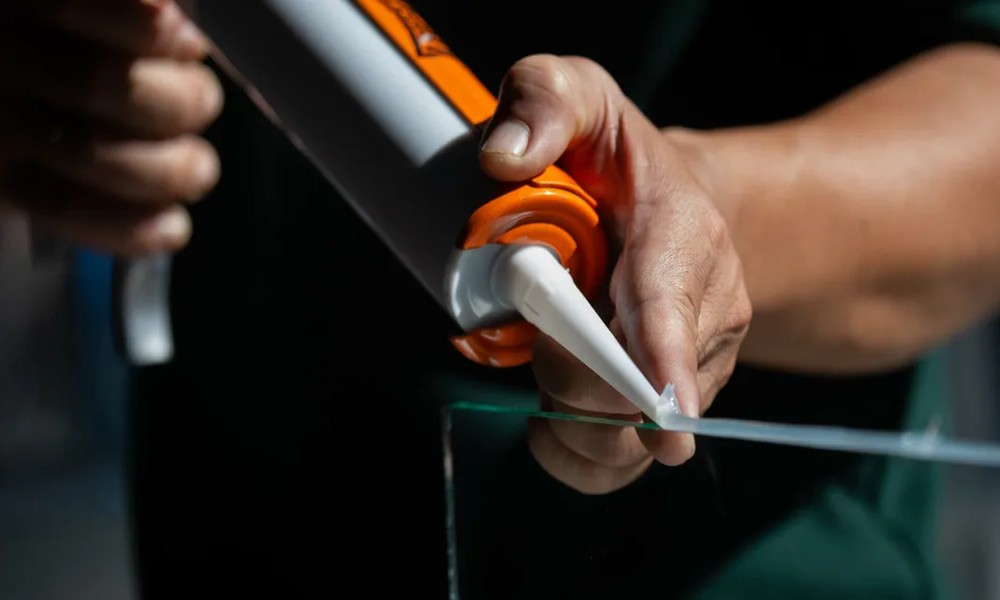
Many construction and building companies are relying on the ability of silicone sealants in terms of bonding materials. The strong bonding quality of silicone sealant is a reliable material in any construction projects.
About silicone sealants
Silicone sealants are liquid adhesives that act like a gel. It has a different chemical makeup compared to organic polymer-based adhesives. The silicone glue keeps the bond stable in high and low temperatures. Plus, it is resistant to:
- other chemicals
- moisture
- weathering
Thus, these sealants are less likely to fail in repairing or building objects. The sealant has a curing process to make the bond strong. The curing process of the silicone is basically letting it dry. It does not need to undergo a heating process.
The curing process of the sealant is drying, letting the sealant dry or cure. The drying process takes a different time duration than curing.
The curing needs:
- 40° Fahrenheit
- 100° Fahrenheit
The humidity should be between:
- 5%
- 95%
The curing process takes less than 2 hours to cure.
However, it takes several days if it is a thick sealant.
Common uses
The common uses of silicone sealants:
- sealing gaps in windows
- fixing leaks in bathrooms
- protecting kitchen surfaces from moisture
Homeowners and professionals choose it because it handles the finish without cracking easily, such as:
- heat
- water
- changing weather conditions
Proper application of sealant prevents causing water damage to the surface. More renovation projects are using the product for flexibility. The material offers a practical solution to keep spaces secured, from household repairs to larger construction tasks.
There are many uses of the product because it comes in several types.
For example:
Silicone sealants are used for caulking cracks. Some are using it to try to level surfaces in their homes.
Silicone may not be a good substance for weight-bearing seals, but it is still needed for its strong adhesive properties. It binds surfaces, such as:
- plastic
- metal
- glass
For example:
Aquariums are sealed with silicone. It is used to bond every edge of the aquarium to secure the attachment and prevent water leaks. You commonly see homeowners use this sealant to seal window frames.
Silicone keeps its sealing property even at a high temperature. Therefore, it is used in:
- automobiles
- electronic devices
- appliances
The silicone adhesives served as a bonding agent for parts in car engines, such as the car gasket. Whilst silicone seals cables and sensors in appliances and electronics.
Types of silicone sealants
Some types of silicone sealants have basic adhesive and special properties.
Neutral cure
Neutral cure silicone is a common type of silicone adhesive. It releases alcohol to cure and work with several materials. This silicone material takes time to cure. They are a good option when used for sensitive materials, such as:
- wood
- metal
Acetoxy
Acid-cure silicones release a vinegar smell, acetic acid when curing. It cures faster than a neutral cure. It has strong bonding properties and works best on non-porous surfaces.
Multipurpose
The all-purpose silicone is an adhesive that can do it all. It is resistant to:
- weathering
- extreme temperatures
- moisture
- vibrations
High temperature
High temperature silicone is a specialized heat resistant sealant. Use this type of silicone when working with extremely hot objects. They can withstand as high as 600°F. High temperature silicone sealants are resistant to:
- aging
- vibration
- shock
There are numerous functions of high-temperature sealants. It binds different objects, such as:
FAQs
Which from the silicone sealants have no odor?
The neutral cure silicone is odorless.
What is the best sealant for beginner users?
The multipurpose silicone is the best for beginner users.
Can silicone sealants resist heat?
Silicone sealants are not manufactured to withstand fire. However, they can resist fire for some time. However, some specialized fire-rated silicone sealants are made to block the following: