
Currency trading, or forex trading, is a dynamic field influenced by various factors and trends that can impact the global financial markets. As of 2024, several key trends are shaping the landscape of currency trading:
Increased Use of Technology
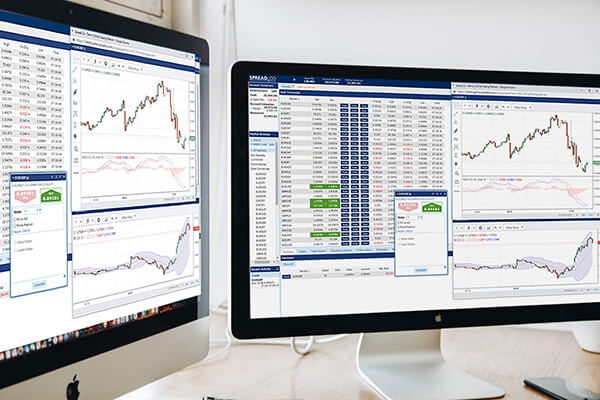
Technology continues to transform currency trading. High-frequency trading (HFT) algorithms and sophisticated trading platforms have become commonplace, enabling traders to execute orders with incredible speed and precision. Machine learning and artificial intelligence (AI) are also being leveraged to analyze vast amounts of data and identify trading opportunities. These technologies help traders anticipate market movements and make informed decisions, but they also introduce new challenges, such as increased market volatility and the need for robust cybersecurity measures.

Growing Popularity of Cryptocurrencies
Cryptocurrencies, such as Bitcoin and Ethereum, have gained significant traction in recent years and are now a major component of currency trading. The volatility and potential for high returns associated with cryptocurrencies attract both institutional and retail traders. However, the crypto market’s lack of regulation and its susceptibility to speculative bubbles pose risks. As governments and regulatory bodies work to establish clearer guidelines, the integration of cryptocurrencies into traditional forex trading platforms is expected to evolve.
Shift Towards ESG Investing
Environmental, Social, and Governance (ESG) criteria are increasingly influencing investment decisions, including in currency trading. Traders and investors are becoming more conscious of the environmental and social impact of their trades. This trend is driving interest in currencies of countries that are seen as leaders in sustainability and ethical practices. For example, the Danish krone and the Swedish krona are viewed favorably due to their countries’ strong ESG credentials.
Geopolitical Uncertainty
Geopolitical events and tensions significantly impact currency markets. Trade wars, political instability, and conflicts can lead to fluctuations in currency values as traders react to perceived risks. For instance, the ongoing conflict between major economies or changes in trade policies can create volatility in currency pairs. Keeping abreast of global geopolitical developments is crucial for traders to manage risk and capitalize on market movements.
Impact of Central Bank Policies
Central bank policies continue to be a major influence on currency markets. Interest rate decisions, quantitative easing programs, and monetary policy statements from central banks like the Federal Reserve, the European Central Bank (ECB), and the Bank of Japan (BoJ) can cause significant currency fluctuations. Recent trends show central banks being more cautious about raising interest rates due to concerns over economic growth and inflation, which impacts currency values and trading strategies.
Rise of Retail Traders
The forex market has traditionally been dominated by institutional traders, but there has been a notable increase in retail participation. Online trading platforms and the availability of leveraged trading options have democratized access to forex markets, allowing individual investors to trade currencies. This trend is further supported by the rise of trading apps and social trading platforms, where traders can share insights and strategies. However, increased retail participation can also lead to higher market volatility and the need for more robust risk management practices.
Focus on Economic Indicators
Economic indicators, such as GDP growth, employment figures, and inflation rates, continue to play a crucial role in currency trading. Traders closely monitor these indicators to gauge the health of economies and anticipate central bank actions. For instance, a strong employment report might lead to expectations of higher interest rates, affecting the currency value. As economic data becomes more detailed and timely, its influence on trading decisions grows.
Regulatory Changes
Regulatory changes are an ongoing trend in currency trading. Governments and financial regulators are continually updating rules to address market abuses and ensure transparency. For example, regulations regarding margin requirements, leverage limits, and trading practices are being refined to protect investors and stabilize the market. Traders must stay informed about regulatory developments to ensure compliance and adapt their strategies accordingly.
In summary, currency trading is influenced by a range of trends including technological advancements, the rise of cryptocurrencies, ESG considerations, geopolitical events, central bank policies, increased retail participation, economic indicators, and evolving regulations. Staying abreast of these trends is essential for traders to navigate the complex and ever-changing forex market effectively.