
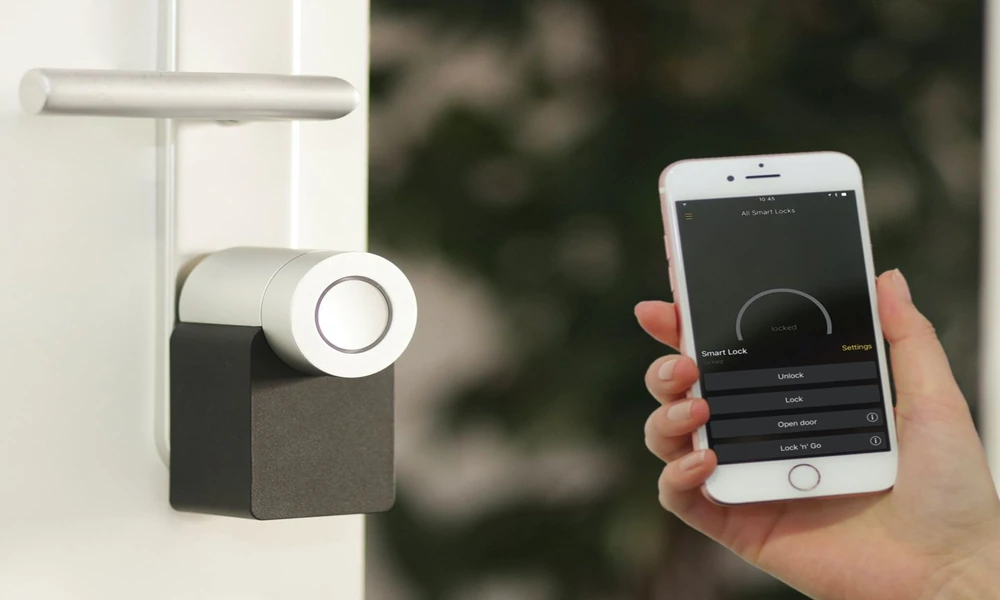
The smart home revolution is no longer just hype; it is rapidly reshaping the way we live, work, and relax. Yet, shopping for smart gadgets can feel overwhelming, with myths and misconceptions clouding judgment at every turn. Rather than letting confusion dictate your choices, understanding the real story behind smart devices puts you in control of your home’s future.
Myth 1: Smart Gadgets Are Too Expensive for Everyday Use
The price tag is often the first obstacle people see, but sticker shock rarely tells the full story. While some flagship models cost a premium, the smart tech market is packed with affordable devices that deliver remarkable value.
Understanding the True Cost vs. Value
When you account for energy savings, enhanced security, or even just daily convenience, many devices pay for themselves over time. For instance, a smart thermostat adjusts automatically, potentially trimming your utility bills each month. Seen through this lens, a slightly higher upfront investment transforms into lasting value.
Budget-Friendly Smart Devices That Deliver
Savvy shoppers can find quality smart plugs, bulbs, and speakers that cost less than a night at the movies. The trick is to avoid the “all or nothing” mindset. Mix and match features you need, and skip what you do not. A curated collection, like those found in GSM Depot electronics, highlights a range of reliable options for every budget and lifestyle.
Myth 2: All Smart Gadgets Are Difficult to Set Up
Tales of endless troubleshooting and complicated manuals scare off many first-time buyers. However, modern smart gadgets are designed for simplicity right out of the box.
User-Friendly Designs and Intuitive Interfaces
Most new devices now offer step-by-step in-app guides, voice prompts, and even QR code scanning to fast-track the setup process. Smart ecosystems, such as Google Home or Apple HomeKit, make it easier to manage multiple devices from a single app.
Tips for Seamless Installation and Integration
Start with one or two devices and expand your system gradually. Stick with brands or platforms that are known for reliability, and always check compatibility before you buy. If issues arise, online resources and customer support are more accessible than ever.
Myth 3: Smart Home Devices Compromise Your Privacy
News headlines can make smart technology sound like a constant privacy risk, but the truth is more nuanced.
Common Privacy Concerns Explained
Fears about hacking, unauthorized data collection, or voice assistants “always listening” are not exaggerated, but they are manageable. Most breaches occur because users skip basic security steps.
How to Secure Your Smart Home Effectively
Change default passwords, use two-factor authentication, and keep software updated. Look for devices that allow you to disable microphones or cameras on demand. Companies are increasingly transparent about their data policies, so take time to read privacy statements before installing any new gadget.
Myth 4: Compatibility Issues Make Smart Gadgets Frustrating
Worried about one device refusing to cooperate with another? You are not alone, but cross-brand compatibility has improved dramatically in recent years.
Importance of Ecosystem Compatibility
Sticking with a single ecosystem (Amazon Alexa, Google Assistant, or Apple HomeKit) simplifies integration. Many brands now support universal protocols like Matter and Zigbee, which foster smooth connections.
Choosing Devices That Work Together Smoothly
Always check for labels like “Works with Alexa” or “Apple HomeKit enabled.” If you are building a system from scratch, plan ahead and ensure your most essential gadgets all speak the same language.
Myth 5: More Features Mean Better Smart Gadgets
The latest model brags about features you never knew you needed. But does more always mean better?
Identifying Essential Features for Your Needs
Think about your daily routine. Do you really need color-changing bulbs in every socket, or would a dimmer function suffice? Prioritize usability and reliability over an avalanche of features that might gather digital dust.
Avoiding Overkill: When Less Is More
A streamlined setup is easier to maintain, less likely to glitch, and often less expensive. Focus on devices that excel at one or two tasks, rather than trying to buy into every possible bell and whistle.
Myth 6: Smart Gadgets Are Only for Tech Enthusiasts
It is easy to imagine smart homes as playgrounds for gadget geeks, but this perception is long outdated.
How Smart Devices Benefit Every Household Member
From hands-free kitchen timers to security cameras you can check from your phone, smart gadgets add real-world convenience for kids, parents, and grandparents alike. Voice controls and automation routines are especially helpful for those with limited mobility.
Real-Life Examples of Daily Convenience and Efficiency
Consider how a smart speaker can help with grocery lists, or how automated lights save you from stumbling in the dark. Simple, everyday wins add up quickly, making tech accessible for everyone.
Myth 7: Smart Gadgets Require Constant Maintenance and Updates
The idea of managing endless updates and tweaks can be daunting, but the reality is less dramatic.
What Routine Care Really Looks Like
Most devices handle updates automatically overnight. Occasionally, you may need to restart a router or check for firmware updates, but these are rare and often guided by helpful notifications.
Leveraging Automatic Updates and Support Services
Manufacturers regularly release patches that improve security and stability. Choosing brands with strong customer support and clear update policies ensures your devices keep running smoothly with little effort on your part.
Turning your home smart does not require a tech degree or a fortune. By challenging the myths and focusing on what truly matters, anyone can build a connected, efficient, and secure space that fits their needs.