

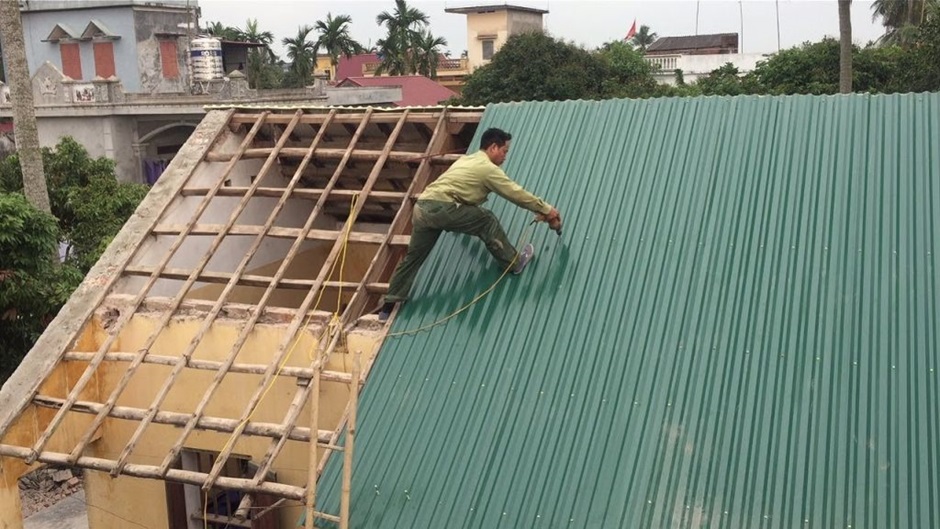
Choosing the right roof for an older home involves a blend of aesthetic considerations, structural integrity, and modern roofing technology. Older homes possess a charm and character that many newer constructions lack, making it crucial to select roofing materials that not only preserve historical value but also enhance the functionality and durability of the home. This article delves into the key factors homeowners need to consider when selecting the perfect roof for an older property, ensuring a balance between preservation and modern efficiency.
Understanding the Architectural Style
Older homes often showcase distinct architectural styles, from Victorian and Colonial to Craftsman and Mid-century Modern. Each style has its unique roofing requirements and aesthetic considerations:
- Victorian Homes: These typically feature steeply pitched roofs and intricate detailing. Slate, wood shingles, or synthetic materials that mimic these traditional options can maintain the home’s historic charm.
- Colonial Homes: Known for their simple, symmetrical lines, Colonial homes often look best with wood shakes or slate roofs. Modern alternatives like composite shingles can also work if they emulate the appearance of natural materials.
- Craftsman Bungalows: These usually have low-pitched roofs with wide eaves. Asphalt shingles or metal roofing can be practical choices, provided they blend with the overall aesthetic. With specific types of architecture, it can be very difficult to maintain every unique aspect of the home, that’s why we recommend utilizing heritage roofing services whenever possible.
Assessing the Structural Integrity
Older homes may have weakened structures that need careful evaluation before a new roof is installed. Key points to consider include:
- Weight of Roofing Material: Historical homes often have structures that were designed to support specific roofing materials. For example, slate and tile are significantly heavier than asphalt shingles. Ensure that the house’s frame can support the weight of your chosen roofing material to avoid structural damage.
- Condition of the Roof Deck: Before installing a new roof, inspect the roof deck for rot, warping, or other damage. Replacing or reinforcing the roof deck might be necessary to provide a stable base for the new roof.
- Local Building Codes: Verify that the chosen roofing material complies with local building codes and regulations, especially in historical districts with preservation guidelines. For more on this, visit the Australian Building Codes Board.
Prioritizing Energy Efficiency
Modern roofing materials offer substantial energy-saving benefits that can be particularly advantageous for older homes:
- Reflective Roofing: Materials like metal roofing can reflect more sunlight, reducing heat absorption and lowering cooling costs.
- Insulated Roofing Systems: Some roofing systems come with integrated insulation, providing better thermal performance and energy efficiency.
- Solar Roofing Options: Integrating solar panels or opting for solar shingles can provide renewable energy solutions without compromising the historical appearance of the home.
Considering Longevity and Maintenance
Durability and maintenance are critical considerations when choosing a roof for an older home:
- Asphalt Shingles: These are cost-effective and relatively easy to install, with a lifespan of 20-30 years. They come in various styles that can mimic the look of more traditional materials.
- Metal Roofing: Known for its durability and longevity, metal roofing can last up to 50 years or more with minimal maintenance. It also offers excellent resistance to extreme weather conditions.
- Slate and Tile: While more expensive, slate and tile roofs can last over a century with proper care. They are ideal for maintaining the historic integrity of the home but require professional installation due to their weight and complexity.
Enhancing Curb Appeal
The right roof can significantly enhance the curb appeal of an older home, maintaining its historical value while providing a fresh, updated look:
- Color and Texture: Choose roofing materials that complement the exterior color scheme and architectural details of the home. Textured shingles or tiles can add depth and character.
- Architectural Shingles: These shingles come in various styles and colors, offering a high-end look that can mimic more expensive materials like wood or slate without the high maintenance.
- Custom Roofing Solutions: In some cases, custom roofing solutions might be necessary to match the unique requirements of the home. Consulting with a roofing specialist experienced in historical homes can provide tailored recommendations.
Conclusion
Selecting the right roof for an older home requires careful consideration of the architectural style, structural integrity, energy efficiency, and overall durability. By choosing materials that respect the home’s historical character while incorporating modern advancements, homeowners can ensure their property remains both beautiful and functional for years to come. Consulting with professionals who specialize in historical home restorations can further enhance the decision-making process, leading to a roof that not only protects but also elevates the charm of an older home.