
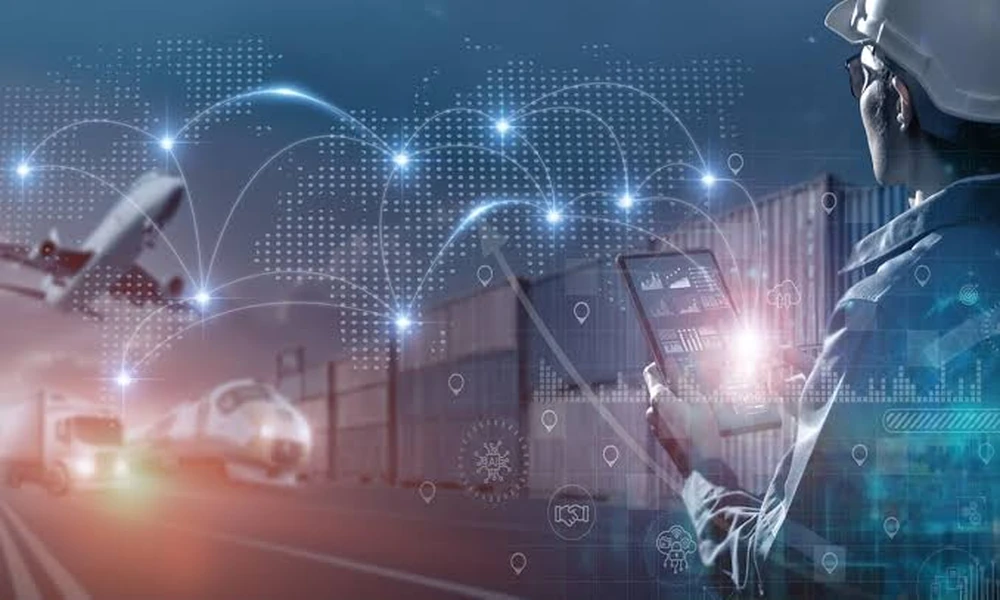
| Quick Answer: Real-time visibility changes how multi-site deployments work. It provides live asset tracking, monitors the environment, and sends delay alerts across every server rack and transport node. This around-the-clock oversight gets rid of blind spots in the way things run. It keeps important hardware safe and cuts down on downtime during big infrastructure expansions. |
|---|
Cloud computing, artificial intelligence, and edge networks are spreading fast everywhere. Because of this, hyperscalers and companies are working to quickly grow their digital setup. It is hard to manage the growth of just one server site. Trying to build sites in more than one place at the same time makes things even tougher. A task like this can bring a lot of problems for the people running it.
In these busy times, data center logistics has changed from the regular moving of goods to a closely linked task that needs everyone working together. People need to bring valuable computer gear-like GPU clusters, cooling units, and mainframes-to different places. They need to get this job done well, and at the same time, in many spots.
If they do not use the right tracking, those running the setup can face many issues. They may waste time, lose money, damage their gear, and keep their sites shut for longer.
The Complexities of Multi-Site Infrastructure Expansions
Building data centers in many different locations brings some real work and planning problems.
- Siloed Site Telemetry: Each building site often works with different vendors, carriers, and timing plans.
- Extreme Hardware Sensitivity: New servers and liquid cooling systems can be harmed by quick changes in temperature, wet air, or a rough trip.
- Cascading Project Schedules: If power units or server racks do not arrive on time at one site, it can hold up all electrical and internet setups at other places too.
The usual ways of managing shipping rely on making phone calls for updates or waiting for reports at set times. These older methods can’t match up with today’s fast-moving needs. Real-time visibility helps by giving you updates as they happen. This change turns your moving goods into a smart system that uses data.
Key Drivers of Real-Time Visibility in Modern Deployments
1. Serialized Asset Tracking Across the Supply Chain
Real-time tracking systems use RFID, Bluetooth Low Energy (BLE), and GPS devices that work on their own. These help to keep watch on important hardware all the time. This means you do not just “track a shipping container.” Instead, you know the exact spot and delivery time for each server chassis, down to the serial number.
2. Environmental and Shock Telemetry
High-performance computer clusters can be delicate. New real-time visibility platforms use Internet of Things (IoT) telemetry. They send quick alerts if the cargo faces:
- Too much shaking or bumping while the item is moved.
- A big drop or sudden jump in heat inside the box the item is in.
- The item gets wet or sits in damp air when it should not.
Getting real-time alerts helps the quality assurance team check or swap out damaged hardware before it gets to the site. This can stop work delays when installing.
3. Synchronized On-Site Staging and Installation
Many data center construction sites do not have extra space to keep many unpacked server racks. Real-time tracking helps logistics teams plan deliveries at the right moment. Trucks can show up when the crews are set to install everything. This cuts down on crowding at the site and helps lower security risks.
Key Benefits for Enterprise Operations
| Operational Challenge | Traditional Logistics Approach | Real-Time Visibility Approach |
|---|---|---|
| Transit Delays | Identified after missed delivery windows. | Detected early via automated ETA updates and route adjustment. |
| Hardware Damage | Discovered during unboxing at the job site. | Triggered instantly by IoT shock and environmental sensors during transit. |
| Multi-Site Oversight | Managed through disconnected local spreadsheets. | Monitored via a central digital dashboard for all global locations. |
| Vendor Coordination | Manual phone calls and status check-ins. | Automated milestone updates shared across carriers, contractors, and engineers. |
How Real-Time Data Enhances Multi-Site Execution
- Centralized Control Towers: Operations teams watch all global work from one place. If bad weather stops things on one shipping path, managers move equipment from another hub. This helps them keep the most important work moving.
- Predictive Bottleneck Management: Machine learning models look at live travel data with weather and port activity. They can predict late shipments several days ahead.
- Streamlined Decommissioning and E-Waste Control: When old buildings get new hardware, tracking platforms watch over the old servers. This makes sure that servers leave safely and that data stays safe, following all the rules for proper disposal.
Frequently Asked Questions
What is real-time visibility in data center deployment?
Real-time visibility helps people see what is happening right now. It uses connected hardware. Some of these are GPS units, IoT sensors, and software platforms. They all work together to track where equipment is, what is happening in transit, and when things will get there during buildouts.
How does tracking cargo condition protect sensitive server infrastructure?
Sensors on freight crates collect real-time data on temperature, humidity, tilt, and shock. If any asset gets hit or if the temperature gets too high while being shipped, operators find out right away. This helps them set up inspections or replacements before the installation starts.
Why is real-time tracking critical for multi-site deployments?
Multi-site expansions need careful timing so all regions stay on track. Real-time visibility brings together data from every site into one place. This helps teams stop local slowdowns from holding up the whole project.
How does live visibility improve on-site staging?
Live location updates help with just-in-time delivery. The hardware gets there right when teams are set up to install it. This keeps the site less crowded and lowers the risk of theft or damage.
Strategic Value for Modern Infrastructure
Scaling computing in many physical regions is not only about having the right hardware anymore. Now, it is a big puzzle that needs careful planning. Modern infrastructure asks for a clear look at every server, cable, and cooling part at all times. The use of IoT tracking, environmental data checks, and centralized data center logistics platforms help companies avoid costly unknowns, protect important hardware, and hit tight deadlines. Putting real-time analytics into use makes sure that big changes for infrastructure stay on schedule, within budget, and can meet new digital needs.