

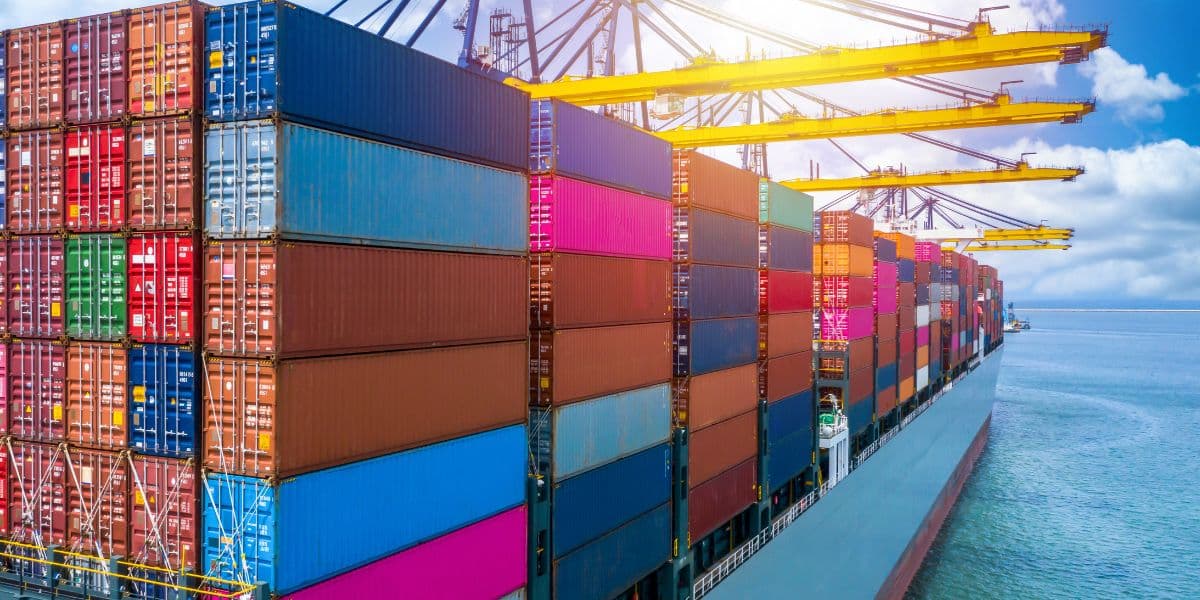
Rising logistics expenses push many businesses to search for smarter freight solutions. Space limits during return transport often increase operational spending. The collapsible shipping containers provide a practical option because they fold after unloading. This structure allows companies to move more empty units within a limited cargo space. Fewer return trips support better resource planning. Storage management also becomes simpler because folded units require much less room. Modern supply systems focus on efficiency, resource savings, and operational clarity. Folding container systems support these goals while helping companies manage freight movement with improved control, balanced spending, and consistent supply flow across multiple shipping cycles.
Space Saving Storage Benefits
Foldable container structures allow empty units to compress into compact stacks. This design frees warehouse capacity, supports organized inventory placement, improves handling speed, reduces clutter, and maintains smooth operations during frequent loading cycles.
Lower Fuel Usage During Return Transport
Compact stacking allows transport carriers to move several empty units within a limited cargo space. Fewer transport trips reduce fuel usage, which directly lowers operating expenses during reverse logistics movement.
Efficient Reverse Logistics Management
Return logistics often increase operational pressure because empty equipment occupies valuable cargo space. Folding structures simplify return handling, increase load capacity, and support balanced distribution planning across supply networks.
Reduced Warehouse Handling Effort
Warehouse teams benefit from lightweight folding systems, which require less manual handling effort. Organized stacking improves storage planning, helps maintain safety standards, and reduces congestion within busy distribution centers.
Improved Supply Chain Planning
Supply planners benefit from predictable equipment circulation when folding systems are used. Compact storage improves container availability tracking, which helps maintain smooth cargo movement across supply routes.
Adaptability Across Transport Operations
Flexible container structures support different cargo handling requirements within distribution networks. Folding capability helps businesses adjust equipment movement based on shipment volume without increasing unnecessary transport loads.
Key Operational Advantages
Modern freight systems demand equipment solutions that improve efficiency without increasing operational complexity across supply movement.
- Folding structures allow several empty units to stack together, which improves cargo space management during return transport operations.
- Lower transport volume reduces fuel consumption, which helps organizations manage operational budgets while maintaining consistent cargo movement across supply networks.
- Storage efficiency improves warehouse organization, which supports smoother material flow across busy loading areas during frequent shipping cycles.
Efficient freight management requires practical equipment solutions that support cost control across supply movement. Folding container systems help organizations optimize space usage within storage facilities while simplifying return logistics processes. Reduced cargo volume during empty transport allows carriers to move more units within a limited capacity. As supply networks expand, collapsible shipping containers provide a reliable solution that improves operational efficiency while helping organizations maintain balanced logistics spending across repeated shipment cycles.