
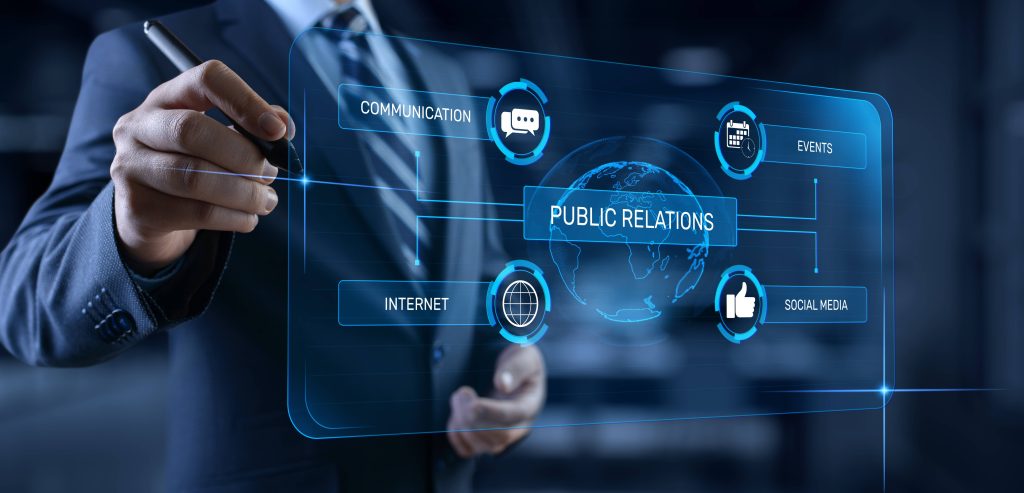
Social media has transformed how businesses communicate with audiences, build credibility, and maintain their reputation. In a competitive metropolitan area such as Dallas, social media marketing has become an essential component of modern public relations (PR). Companies increasingly rely on digital platforms not only to advertise products but also to shape public perception, engage communities, and manage brand identity.
For readers unfamiliar with marketing or legal concepts surrounding communications and reputation management, understanding the relationship between social media marketing and public relations can help clarify why businesses invest heavily in these strategies.
The Growing Importance of Social Media in Dallas
Dallas is home to a diverse economy that includes technology startups, healthcare providers, law firms, retail brands, and hospitality businesses. Because of this economic diversity, organizations compete for attention in crowded digital spaces.
Social media platforms such as Facebook, Instagram, LinkedIn, and X (formerly Twitter) allow companies to communicate directly with customers. These platforms offer tools for targeted advertising, audience engagement, and real-time feedback. In cities like Dallas, where businesses must differentiate themselves in a competitive market, the best social media marketing pr in Dallas plays a crucial role in brand visibility.
However, effective social media marketing involves more than simply posting content. It requires a coordinated strategy that aligns marketing efforts with public relations objectives, including reputation management and public trust.
How Public Relations Supports Social Media Marketing
Public relations traditionally focused on maintaining a positive public image through media coverage, press releases, and community engagement. Today, social media has expanded the reach and speed of PR efforts.
When social media marketing and PR work together, businesses can manage communication more effectively. For example, companies can use social media platforms to respond to public concerns, clarify misinformation, or highlight positive developments.
Reputation Management in the Digital Age
Reputation management is one of the most important functions of PR. In the digital environment, information spreads quickly, and negative publicity can escalate rapidly if not addressed promptly.
Through strategic social media management, businesses can monitor public sentiment, respond to feedback, and address issues before they become larger problems. This approach helps organizations maintain credibility and transparency with their audience.
Businesses seeking the best social media marketing pr in dallas often look for professionals who understand both digital marketing and public relations principles. These professionals coordinate messaging across platforms to ensure consistency and protect the organization’s public image.
Key Elements of an Effective Social Media PR Strategy
An effective social media PR strategy combines communication planning, audience research, and ethical marketing practices. While each business may approach the strategy differently, several core elements are typically involved.
1. Audience Understanding
Understanding the target audience is essential. Social media users vary widely in age, interests, and professional background. Companies must tailor messages to match the needs and expectations of specific groups.
For instance, LinkedIn is often used for professional communication, while platforms such as Instagram or TikTok focus more on visual storytelling.
2. Consistent Messaging
Consistency helps build trust. Businesses must ensure that their messaging across different platforms reflects the same values and tone. PR professionals often create communication guidelines to maintain brand consistency.
This approach helps prevent misunderstandings and ensures that marketing campaigns align with the organization’s broader public image.
3. Crisis Communication Planning
In public relations, crisis communication refers to strategies used when an organization faces negative publicity or unexpected challenges. Social media can amplify such issues, making preparation essential.
A clear communication plan helps organizations respond quickly and accurately when problems arise. The U.S. Small Business Administration provides helpful guidance on business communication planning, which can support these efforts.
4. Data and Performance Analysis
Digital marketing tools allow businesses to analyze engagement metrics such as views, shares, and audience interactions. These insights help organizations refine their strategies and identify which content resonates with their audience.
Although numbers alone cannot measure reputation, data can reveal trends that inform future PR decisions.
Legal and Ethical Considerations in Social Media Marketing
While social media marketing focuses on communication and engagement, it also intersects with legal and ethical considerations. Businesses must follow advertising regulations, protect consumer privacy, and avoid misleading claims.
In the United States, the Federal Trade Commission (FTC) provides guidance on truthful advertising and endorsement transparency. For example, influencers or brand partners must disclose sponsored relationships to avoid misleading consumers.
Additionally, companies must respect intellectual property rights when sharing content. Images, videos, and written material may be protected by copyright, meaning they cannot be used without permission.
Maintaining ethical standards in social media marketing not only prevents legal issues but also strengthens public trust.
The Dallas Market and Local Engagement
Local engagement is particularly important in Dallas, where community relationships influence brand perception. Social media campaigns often incorporate local events, partnerships with community organizations, and region-specific messaging.
Businesses may highlight local initiatives, charitable activities, or collaborations with other Dallas-based companies. These efforts help organizations connect with local audiences and demonstrate community involvement.
In many cases, public relations teams coordinate these initiatives alongside social media marketing campaigns to ensure that the organization’s messaging reflects its role within the community.
Conclusion
Dallas social media marketing has become closely intertwined with modern public relations practices. As businesses navigate a digital environment where communication happens instantly and publicly, strategic coordination between marketing and PR is essential.
Social media platforms provide opportunities for businesses to build brand awareness, interact with audiences, and manage their reputation. However, successful strategies require thoughtful planning, consistent messaging, and attention to ethical and legal considerations.